
By Matt Kareus
When most travelers think of an African safari, images of the Serengeti’s migrating herds or Botswana’s lush Okavango Delta usually come to mind. Namibia is different. This is a land of vast deserts, rugged beauty and wildlife that has adapted to some of the driest conditions on Earth. While it isn’t dense with animals or vegetation, Namibia has become one of Africa’s most compelling safari destinations thanks to its striking landscapes, rich cultures and forward-thinking conservation work.
(function(d,u,ac){var s=d.createElement(‘script’);s.type=’text/javascript’;s.src=’https://a.omappapi.com/app/js/api.min.js’;s.async=true;s.dataset.user=u;s.dataset.campaign=ac;d.getElementsByTagName(‘head’)[0].appendChild(s);})(document,123366,’jwruat7t8dw49ao5wczo’);
Here are five exceptional experiences to consider on a Namibia safari.

Namibia’s Skeleton Coast—where the desert dunes meet the Atlantic Ocean.
1. Explore the Skeleton Coast
Along Namibia’s northern Atlantic shoreline, the Skeleton Coast is a place defined by fog, shifting dunes and a powerful ocean current that has claimed ships for centuries. The region has been described as one of Africa’s most pristine stretches of coastline.
Massive seal colonies crowd the beaches, while elephants, desert-adapted lions and black rhinos sometimes move inland along dry riverbeds. Wildlife here is sparse but resilient, and the sense of scale and isolation is unlike anywhere else in Africa.
2. Visit a Communal Conservancy
Namibia’s communal conservancy program is one of Africa’s leading conservation achievements. Beginning in the 1990s, the government gave local communities the legal right to manage and benefit from wildlife on communal lands. The results have been transformative.
Today, 86 communal conservancies help protect roughly 20% of Namibia’s land, contributing to a national total of about 46% under some form of conservation management. Elephant populations have grown from roughly 7,500 in 1995 to more than 22,000 today, desert-adapted lions have increased, and black rhino populations have strengthened in key areas. Visiting these conservancies directly supports community-driven conservation.
3. Meet Namibia’s Indigenous Communities
Namibia covers more than 318,000 square miles, yet has just 2.7 million residents, making it one of the least densely populated countries in the world. Its cultural diversity is remarkable.
The Himba of northwest Namibia are among the best-known Indigenous groups, recognized for their ochre-tinted otjize mixture and pastoral traditions. Meeting local communities offers insight into daily life in remote desert environments and helps sustain traditional knowledge.
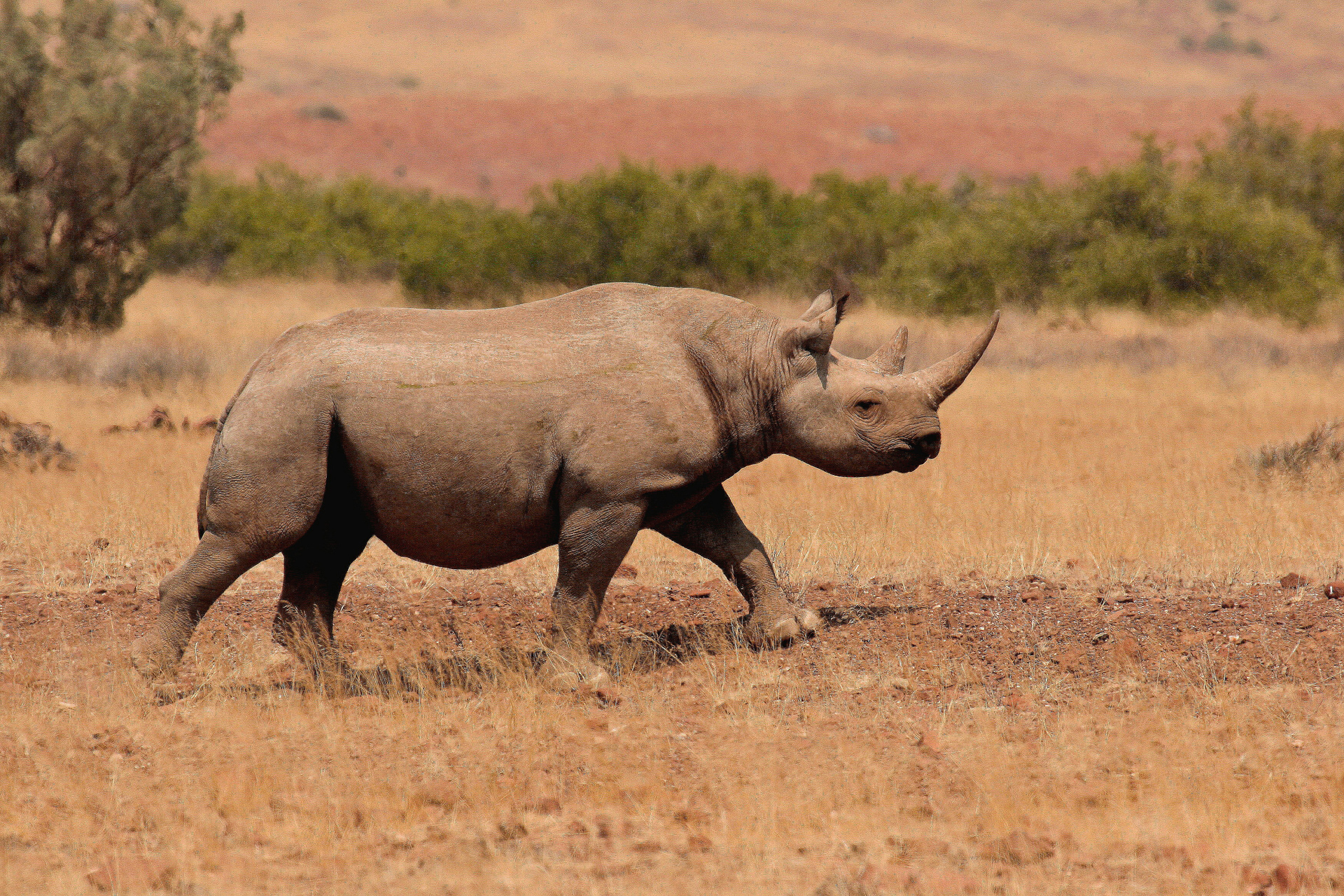
4. Track a Black Rhino
Black rhinos were nearly wiped out across Africa, and Namibia now holds the largest free-roaming black rhino population on Earth. Rhino tracking in Damaraland, done through carefully managed and monitored programs, has become a key conservation tool. Tourism revenue supports anti-poaching teams and creates incentives for long-term protection.
Walking in the desert in search of these endangered animals is one of Namibia’s most meaningful safari experiences.

© Martin Harvey/WWF-Canon
5. Climb the Namib’s Towering Sand Dunes
The Namib is the world’s oldest desert and home to the planet’s tallest dunes. Dune 7—often called Big Daddy—reaches about 1,066 feet. Climbing it is strenuous but rewarding, with panoramic views across red dunes shaped by winds over millions of years.
Keep watch for desert wildlife such as oryx, springbok, ostrich and black-backed jackal that navigate these extreme conditions with remarkable adaptations.
Ready to turn these highlights into your own desert adventure? Discover the Great Namibia Wildlife Safari—a carefully curated journey that lands you in private reserves, offers rare desert-rhino tracking on foot and brings you into the heart of Namibia’s dramatic landscapes, from windswept dunes to rugged coastlines.
The post A Namibia Safari: 5 Wild Places You Won’t Want to Miss first appeared on Good Nature Travel Blog.