
The Amazon, home to hundreds of culturally unique Indigenous groups and one-tenth of all known species on Earth, is a vital ecosystem where the interdependence of humans and nature is evident. A steady stream of discoveries has sparked curiosity about one of the greatest sanctuaries for wildlife in the world. Efforts are being made to preserve its bountiful biodiversity, yet conservation and economic progress are in constant conflict. The world’s largest tropical rainforest and river basin, this vast region encompasses territory belonging to nine nations: Peru, Brazil, Colombia, Venezuela, Ecuador, French Guiana, Suriname, Guyana and Bolivia.
(function(d,u,ac){var s=d.createElement(‘script’);s.type=’text/javascript’;s.src=’https://a.omappapi.com/app/js/api.min.js’;s.async=true;s.dataset.user=u;s.dataset.campaign=ac;d.getElementsByTagName(‘head’)[0].appendChild(s);})(document,123366,’jql4iub1rmvkgogn0tjr’);
How the Amazon’s Biodiversity Supports Wildlife and People
Scientific research has found a clear link between the health of the Amazon and the integrity of the global environment. The Amazon accounts for half of Earth’s remaining rainforests. It contains massive freshwater sources replenished by frequent rainfall, abundant foods, medicinal plants and rich biodiversity. The area has an enormous impact on the world’s environmental condition: the Amazon’s rainforests store an estimated 150–200 billion tons of carbon and help regulate rainfall patterns and climate across South America and the globe. A multitude of wildlife is found here—so much so that a new species is discovered every other day—and this region is one of the last refuges for many endangered animals such as pink river dolphins and hyacinth macaws.

The white-throated toucan is known for its distinctive far-carrying series of loud yelps that are a common sound in Amazonian humid lowland forests.
The Amazon as a Living Pharmacy: Medicines From the Rainforest
Indigenous people live in settled villages by rivers, growing tropical fruits and vegetables for sustenance such as corn, beans, bananas and cassava. A large portion of the diet of humans around the world originates from the Amazon—avocados, coconuts, figs, oranges, lemons, grapefruit, guavas, pineapples, mangos, potatoes, tomatoes, rice, winter squash, yams, black pepper, cayenne, chocolate, cinnamon, cloves, ginger, sugar cane, turmeric, coffee, vanilla and cashews—to name a few. This abundance of natural resources plays a large role in the lives of the tribes and the lives of all humans on the planet. Native communities have acquired a vast knowledge of plant remedies from years of living off the land. The Amazon is a virtual library of chemical invention, home to millions of untested plants that could lead to medicinal revolutions. It is estimated that less than 1% of tropical plants have been tested for medicinal properties, yet rainforest ingredients are found in 25% of pharmaceuticals.
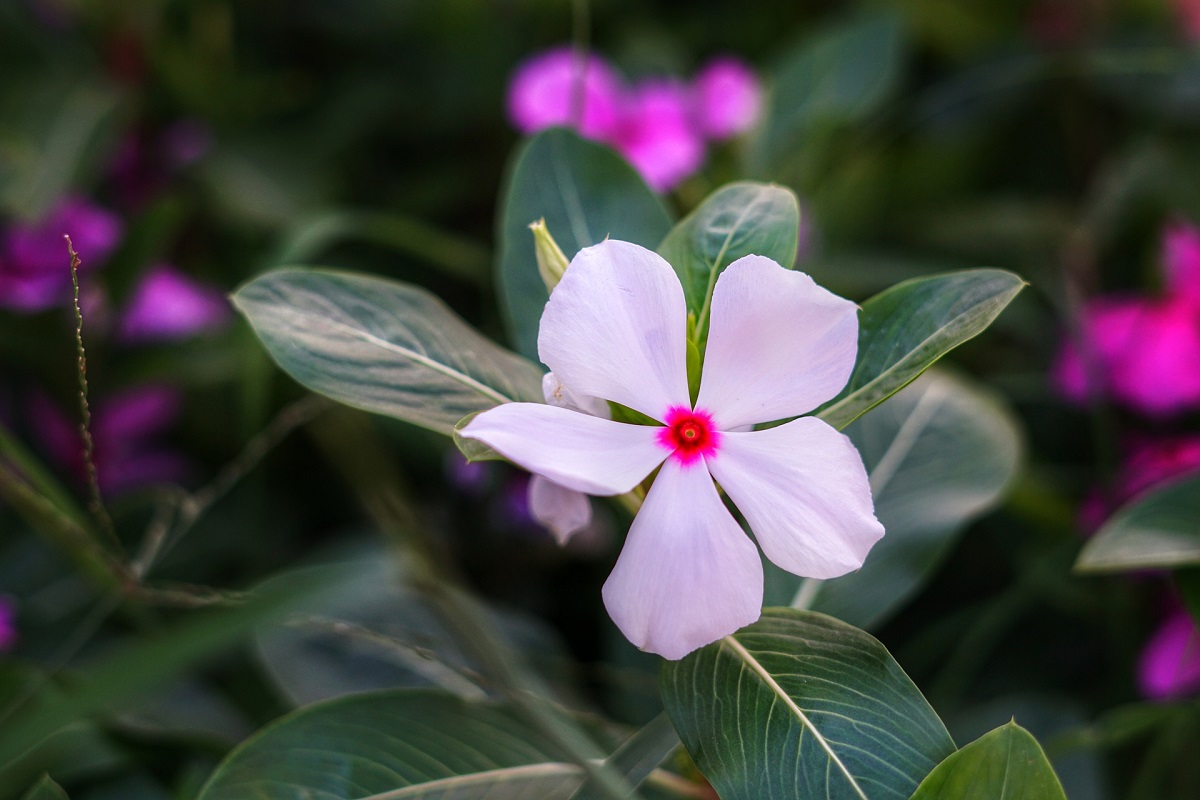
The importance of preserving tropical plants is demonstrated by vincristine, one of the world’s most powerful anticancer drugs. Vincristine is extracted from periwinkle found in the rainforests of Madagascar. Its influence has had an enormous impact—it has dramatically increased the rate of survival in patients with childhood leukemia, proving the rainforests’ worth as a source of life-saving medications.
What Is Driving Deforestation in the Amazon Rainforest Today?
Yet as industrialization expands further, deforestation is occurring at an alarming rate. According to World Wildlife Fund, 17% of the Amazon’s rainforests have been lost in the past 50 years. While cattle ranching is the largest source of deforestation in the Amazon, the destruction of this crucial ecosystem is also caused by mining, logging, oil exploitation, construction of roads, massive dams and slash-and-burn agriculture. This moist broadleaf forest has an astonishing diversity of life, which is now under threat, and we must recognize that the health of our planet is at stake. Indigenous cultures, valuable pharmaceuticals and endangered species will be lost forever. Tribes face continued population decimation as traditional ways of life and languages become extinct and knowledge of the medicinal value of rainforest plants is lost. As the rainforests disappear, so does the possibility of curing life-threatening diseases. The devastation of the Amazon is an emerging disaster not only for the region’s animals and Indigenous tribes but for the world, as this fundamental life system stabilizes the climate by regulating Earth’s oxygen and carbon cycles.
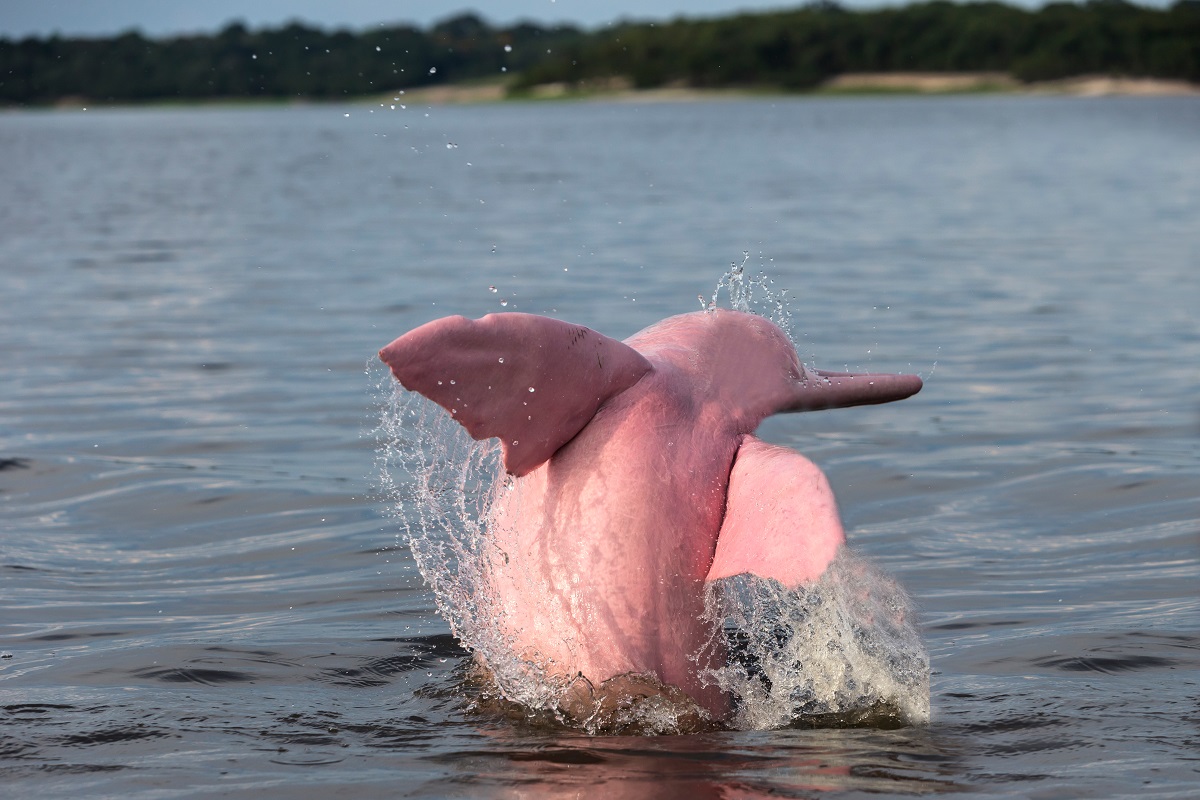
The Amazon Basin holds one-fifth of the world’s freshwater and is a habitat for species such as the pink river dolphin.
Sustainable Solutions for Preserving the Amazon
It is essential that we protect the Amazon before it is too late. We can do this by taking national and local action to protect threatened lands and aquatic systems and by educating others on the importance of this biodiverse region. We can change our way of thinking about development and focus on conservation in the Amazon’s countries, which provides economic, social and environmental benefits to people in the region and those within the Amazon’s far-reaching climatic influence. The fate of this rainforest is dependent on how economic growth is embraced and whether people are provided with viable economic reasons to save it. Many organizations have proven that resources such as fruits, nuts, oils, rubber and chocolate can be harvested sustainably. Research centers like the National Cancer Institute have created plant-research projects, and more than 2,100 rainforest plants containing anticancer agents have been found. Ecotourism is another sustainable industry that gives the rainforest long-term economic value, as governments and communities are incentivized to protect wildlife and natural habitats through tourism dollars.

Why the Future of the Amazon Matters to Every Traveler
There is remarkable biodiversity in the animal kingdom, and the Amazon is one of the best areas in the world to see this on display. Travelers who visit gain a better understanding of this critical rainforest’s worth as a sanctuary for wildlife, plants and people and return home inspired to become advocates for its preservation. There are many sustainable solutions to conserving the Amazon—Nat Hab and WWF are proud to play their part.

© JJ Huckin
The post Inside the Amazon, the World’s Green Heart: Wildlife, Medicine and What We Stand to Lose first appeared on Good Nature Travel Blog.